
Reviewed By Dr. Tyler N Davis, DMD
Reading Time: 4 minutes
A bump on your gums can have many different causes, ranging from minor irritation to an infection that requires treatment. Because gingivitis is one of the most common gum conditions, many people wonder whether it can also cause a raised bump. Understanding what is causing the bump can help determine whether improving your oral hygiene is enough or if you should schedule a dental evaluation.
Table of Contents
What Gingivitis Bumps Look Like
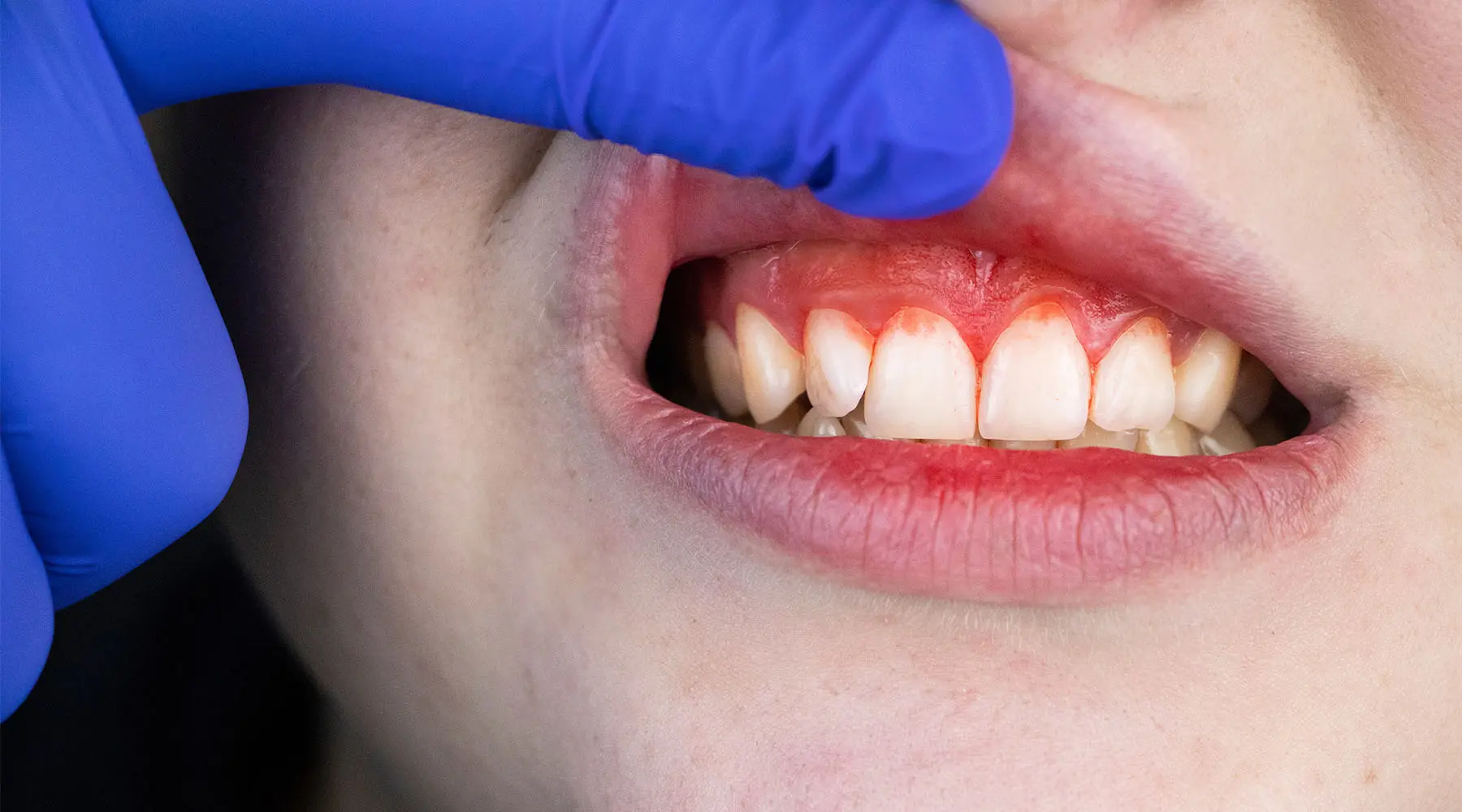
Gingivitis can cause small swollen bumps on the gums. In most cases, these “bumps” are actually inflamed interdental papillae, the small triangular pieces of gum tissue that sit between your teeth.
When plaque builds up along the gumline, bacteria trigger inflammation in the surrounding tissues. As a result, the papillae may become:
- Red or dark pink
- Swollen or puffy
- Tender to the touch
- Prone to bleeding when brushing or flossing
Unlike a gum abscess, gingivitis bumps do not usually contain pus or cause severe pain. They typically develop gradually as plaque accumulates and often affect multiple areas of the mouth rather than a single isolated spot.
Why Gingivitis Causes Swollen Gum Tissue
Gingivitis develops when plaque is not removed effectively through daily brushing and flossing. The bacteria within plaque irritate the gums, causing the body’s inflammatory response.
Several factors can increase the risk of developing gingivitis, including:
- Inconsistent brushing and flossing
- Smoking or tobacco use
- Diabetes
- Hormonal changes during pregnancy or puberty
- Dry mouth
- Certain medications that affect gum health
Fortunately, gingivitis is reversible when treated early.
How Gingivitis Bumps Are Treated
The good news is that gingivitis is usually reversible with appropriate treatment.
Depending on the severity of the gingivitis, Dr. Davis may recommend the following treatment:
- A professional dental cleaning to remove plaque and tartar
- Improved brushing and daily flossing at home
- Antibacterial mouth rinses when appropriate
- More frequent preventive cleanings if you are at higher risk for gum disease
As the inflammation resolves, the swollen gum tissue typically returns to its normal shape and appearance.
Other Conditions That Can Cause Bumps on the Gums
Not every bump on the gums is caused by gingivitis. Some conditions require prompt treatment to prevent the problem from becoming worse.
Gum Abscess
A gum abscess is a localized bacterial infection that creates a painful, swollen bump filled with pus. It may be accompanied by a bad taste in the mouth, drainage, facial swelling, or significant discomfort.
Canker Sore
Canker sores can develop on the gums and often appear as small white or yellow ulcers surrounded by red tissue. Although they can be painful, they usually heal within one to two weeks.
Irritation or Trauma
Accidentally biting your gums, eating sharp foods, or irritation from orthodontic appliances or dentures can create temporary swelling that resembles a bump.
Oral Cysts or Other Growths
Less commonly, a bump may be caused by a cyst or another type of oral growth. Although many are harmless, any lump that persists should be evaluated by your dentist.
When To Schedule a Dental Evaluation
You should schedule a dental appointment if you notice:
- A bump that does not improve within one to two weeks
- Severe pain or increasing swelling
- Pus or drainage
- Persistent bleeding
- Difficulty breathing or swallowing
Although gingivitis often improves with treatment, these symptoms may indicate a more serious infection that requires prompt care.
Healthy Gums Start With Early Care
At Power Road Dental Care, we identify the cause of gum inflammation and recommend treatment based on your individual needs. Early care can often reverse gingivitis before it progresses to more advanced gum disease and help keep your smile healthy for years to come.
To book an appointment at our dental office in Mesa, AZ, call (480) 664-1438 or visit us at 2500 S Power Rd STE 102, Mesa, AZ 85209. We proudly serve patients throughout the Phoenix East Valley, including Mesa, Gilbert, Chandler, Apache Junction, and Queen Creek.
FAQ
Are gingivitis bumps painful?
They are usually tender rather than severely painful. If you have significant pain, pus, or facial swelling, another condition such as a gum abscess may be responsible.
Will gingivitis bumps go away?
Yes. Once plaque and tartar are removed and good oral hygiene is restored, the inflammation usually subsides and the swollen gum tissue returns to normal.
What is the difference between a gingivitis bump and a gum abscess?
Gingivitis bumps are swollen areas of inflamed gum tissue, usually between the teeth. A gum abscess is a localized bacterial infection that often contains pus and is typically much more painful.
Can I treat gingivitis at home?
Good brushing and flossing can help reverse very early gingivitis, but professional dental cleanings are often needed to remove hardened tartar that cannot be removed at home.
Can gingivitis turn into periodontitis?
Yes. Without treatment, gingivitis can progress to periodontitis, a more advanced form of gum disease that damages the tissues and bone supporting the teeth.
What do gingivitis bumps look like?
Gingivitis bumps are typically swollen interdental papillae. They often appear red, puffy, and inflamed and may bleed easily when brushing or flossing. Unlike a gum abscess, they do not usually contain pus or cause severe pain.
What mouthwash kills gingivitis?
No mouthwash can cure gingivitis on its own. Gingivitis is treated by removing plaque through daily brushing, flossing, and professional dental cleanings. Antibacterial mouthwashes, such as those containing chlorhexidine (available by prescription) or cetylpyridinium chloride, may help reduce bacteria and inflammation when used as part of a complete oral hygiene routine.