Reviewed By Dr. Tyler N Davis, DMD
Reading Time: 3 minutes
Many people wait until something hurts before seeing a dentist. However, regular dental exams and X-rays are what actually keep teeth healthy and prevent those painful surprises. Preventive care means catching small problems before they turn into bigger ones. Here’s how these essential visits protect long-term oral health.
Table of Contents
Why Regular Dental Exams Matter
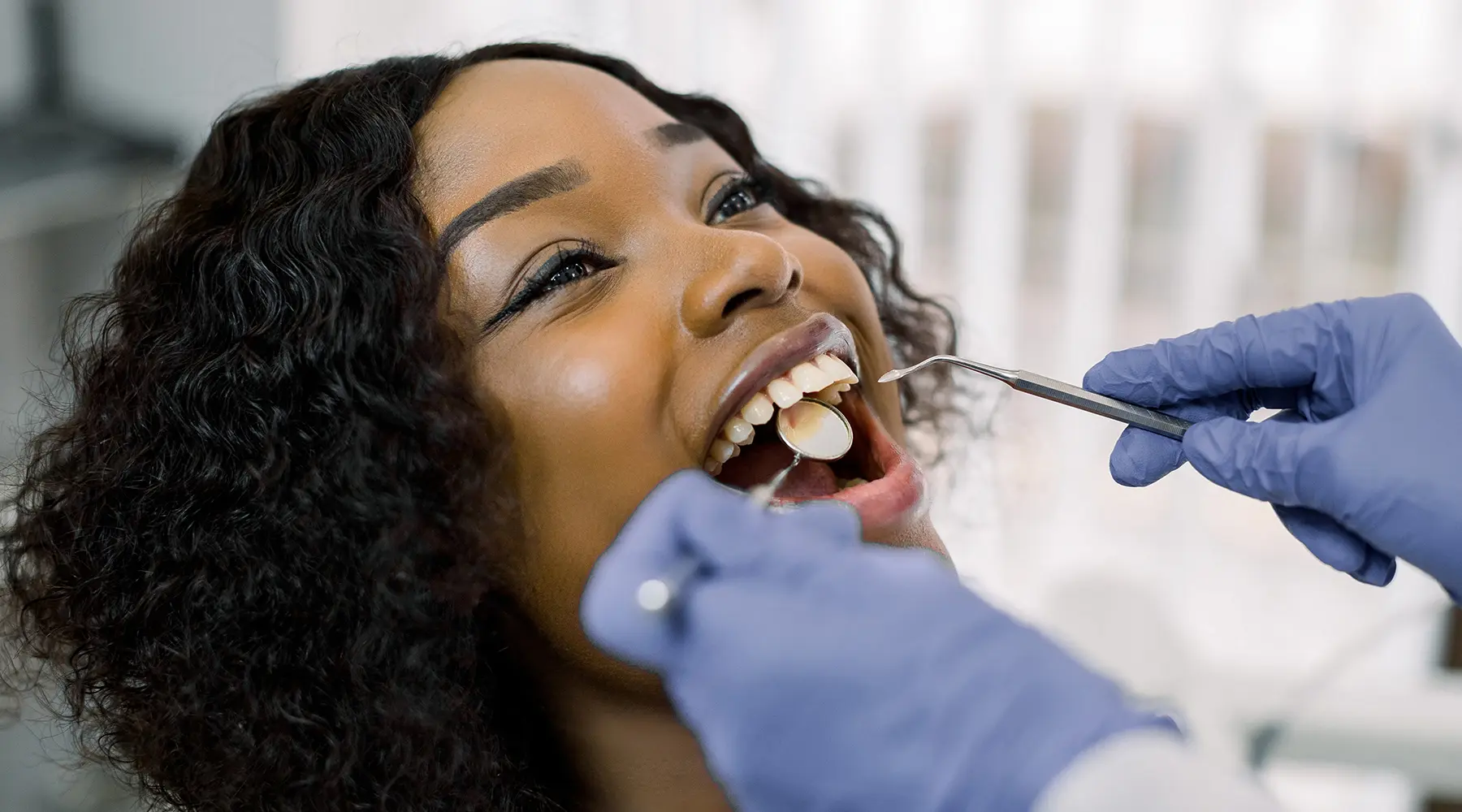
During a dental exam, the dentist looks at more than just your teeth. The gums, bite, jaw joints, and soft tissues are all evaluated to check how well everything is functioning. Consistent exams offer several key benefits that protect both oral and overall health:
- Detect issues early: Small cavities, gum inflammation, or enamel wear can be found long before they cause discomfort.
- Prevent future problems: Treating minor decay early helps avoid more complex and costly procedures.
- Support general health: Oral conditions can be linked to systemic diseases such as diabetes and heart disease. Detecting changes early can help identify or prevent these issues.
Depending on your needs, your dentist may recommend different types of exams to monitor and maintain your oral health.
Types of Dental Exams You May Need
Different exams serve different purposes. Here’s what patients can expect depending on their needs.
Comprehensive Exam
This exam is typically performed for new patients or those who haven’t visited in some time. It includes an evaluation of the teeth, gums, bite, and jaw alignment, often with digital X-rays to see below the surface. A comprehensive exam sets the foundation for ongoing care.
Periodic Exam
These six-month checkups allow the dentist to monitor ongoing oral health. They include reviewing changes since the last visit, checking for early decay or gum disease, and updating X-rays when necessary.
Limited Exam
This exam focuses on a specific issue, such as a toothache or chipped tooth. It helps diagnose and treat the concern quickly without performing a full-mouth evaluation.
Along with visual exams, X-rays play a vital role in spotting problems that cannot be seen on the surface.
The Role of Dental X-Rays in Prevention
Dental X-rays reveal what can’t be seen with the naked eye, such as cavities between teeth, bone loss, or infections below the surface. Benefits of digital X-rays include:
- Significantly lower radiation exposure compared to traditional film
- Instant, high-resolution images for quick and clear diagnosis
- Precise treatment planning for everything from fillings to implants
Dental Exams for Children
Regular dental exams are essential for children too, even before all baby teeth emerge. Early visits allow the dentist to track tooth and jaw development, identify early decay, and monitor habits such as thumb sucking or pacifier use that can affect alignment later.
Children who begin dental care early often feel more comfortable with dental visits as they grow, building a foundation for lifelong oral health. Positive experiences at a young age make a difference!
Schedule a Dental Exam in Mesa, AZ
Power Road Dental Care, led by Dr. Tyler N. Davis, DMD, provides comprehensive exams, digital X-rays, and personalized treatment plans for patients of all ages.
If you are in the Phoenix East Valley, book an appointment at our dental office in Mesa, AZ. Call (480) 664-1438 or visit us at 2500 South Power Road, Suite 102, Mesa, AZ.
FAQs
How safe are dental X-rays?
Modern dental X-rays are very safe. Digital imaging technology uses extremely low levels of radiation, far less than traditional film X-rays or even a short flight on an airplane.
How do I know if I have a cavity?
Early cavities often cause no pain or visible signs, which is why routine dental exams and professional teeth cleanings matter. Dentists look for soft spots, color changes, and sensitivity that can indicate tooth decay. When necessary, X-rays confirm what’s happening inside the tooth.
Can gum disease be reversed?
The earliest stage of gum disease, called gingivitis, can often be reversed with professional dental cleanings, scaling and root planing, and improved oral hygiene at home. Once gum disease progresses to periodontal disease, it can be controlled but not fully reversed.
What else is part of preventive dental care?
Preventive dentistry covers dental exams, X-rays, fluoride treatments, oral cancer screenings, and personalized advice to maintain strong teeth and gums.